Cathie Wood's $11 Million Palantir Bet: Lessons in Contrarian Trading and Conviction Investing
On April 10, 2026, while Palantir Technologies (PLTR) was experiencing its worst week in over a year with a 14% decline, Cathie Wood's ARK Invest made a move that caught Wall Street's attention: purchasing approximately 85,500 shares worth roughly $11 million at around $128 per share.
What makes this particularly noteworthy is the dramatic reversal it represents. Between Q3 2024 and late 2025, ARK had systematically reduced its Palantir position by nearly 10 million shares. Now, amid intense selling pressure and negative sentiment, Wood is buying back in.
For traders and investors, this situation offers a masterclass in contrarian positioning, conviction-based trading, and the psychological discipline required to act against prevailing market sentiment.
The Context: Why Palantir Was Falling
Before analyzing Wood's decision, understanding the backdrop is essential:
The Michael Burry Factor
Michael Burry, famous for his "Big Short" bet against the 2008 housing market, publicly criticized Palantir, suggesting that Anthropic (the AI company behind Claude) was "eating Palantir's lunch." This viral comment contributed to a 6% single-day decline and amplified existing concerns about AI competition.
Valuation Concerns
Despite the correction, Palantir still trades at approximately 108 times expected 2026 earnings and 47 times projected revenue, making it one of the most expensive stocks in the S&P 500. This premium valuation leaves little room for execution missteps.
Insider Selling
Over the past three months, Palantir insiders have sold shares worth over $432 million, a signal that often concerns retail investors and can indicate that those closest to the company see limited near-term upside.
Year-to-Date Performance
PLTR had declined approximately 28% year-to-date before Wood's purchase, representing a significant correction from its highs.
The Bull Case: Why Wood Is Buying
Despite these headwinds, ARK's purchase reflects a thesis that the selloff has created an opportunity:
Fundamental Strength
Palantir's underlying business remains robust:
- Zero debt with $7.2 billion in cash reserves
- U.S. commercial revenue grew 109% in 2025 to $1.5 billion
- Government contracts continue expanding, including a framework allowing up to $10 billion in purchases over a decade
- Q1 2026 guidance projects revenue between $1.532-1.536 billion with adjusted operating income of $870-874 million
The AI Infrastructure Play
Wedbush analyst Dan Ives, who maintains a bullish stance, argues that Palantir's AI platform (Maven Smart System) positions it as critical infrastructure for both government and enterprise AI deployment. The recent Stellantis partnership renewal for five additional years supports this thesis.
Sentiment Extremes
Wood's purchase came at a moment of peak negative sentiment, when Burry's criticism dominated headlines and fear was driving selling. Contrarian investors often find their best opportunities precisely when sentiment reaches extremes.
Trading Lessons from Wood's Approach
Lesson 1: Separate Noise from Signal
Burry's criticism, while attention-grabbing, represents one perspective in a complex competitive landscape. Professional traders learn to distinguish between:
Noise:
- Viral social media commentary
- Short-term price movements driven by sentiment
- Headlines designed to generate clicks
- Single analyst opinions (bullish or bearish)
Signal:
- Fundamental business metrics (revenue growth, margins, cash flow)
- Competitive positioning changes backed by data
- Management execution against stated goals
- Industry-wide structural shifts
Wood's team apparently concluded that Burry's thesis, while provocative, didn't fundamentally alter Palantir's competitive position or growth trajectory.
Lesson 2: Have a Framework for Contrarian Entries
Buying when others are selling requires more than courage; it requires a systematic framework. Consider developing criteria such as:
Quantitative Triggers:
- Stock down X% from recent highs
- Valuation reaches specific multiple thresholds
- Technical indicators reach oversold levels (RSI, Bollinger Bands)
- Volume spikes indicating capitulation
Qualitative Filters:
- Fundamental thesis remains intact
- Selling driven by sentiment rather than deteriorating business
- Management continues executing on strategy
- Competitive moat unchanged or strengthening
Without a framework, contrarian trading becomes gambling. With one, it becomes a disciplined strategy.
Lesson 3: Position Sizing Reflects Conviction Levels
Notice that Wood's $11 million purchase, while significant, represents a measured re-entry rather than an all-in bet. This reflects sophisticated position sizing:
- Initial position: Establishes exposure at what she believes is an attractive price
- Room to add: Leaves capital available if the stock declines further
- Risk management: Limits downside if the thesis proves wrong
For individual traders, this translates to:
- Never allocate your maximum position size on the first entry
- Plan for the possibility of better prices ahead
- Size positions so that being wrong doesn't devastate your account
Lesson 4: Understand the Difference Between Trading and Investing Timeframes
Wood's approach is fundamentally different from short-term trading:
ARK's Timeframe:
- 5+ year investment horizon
- Focused on disruptive innovation themes
- Willing to endure significant drawdowns
- Success measured by long-term compounding
Short-Term Trading:
- Days to weeks holding period
- Focused on price action and momentum
- Tight risk management with defined stops
- Success measured by risk-adjusted returns
Neither approach is superior; they serve different objectives. The mistake is applying one framework while expecting results from the other.
If you're trading PLTR on a short-term basis, Wood's purchase is interesting context but shouldn't override your technical analysis and risk management. If you're investing with a multi-year horizon, her thesis deserves serious consideration.
Lesson 5: Reversals Require Intellectual Honesty
Wood sold nearly 10 million Palantir shares over 18 months, then reversed course to buy. This requires acknowledging that either:
- The previous selling was premature
- Circumstances have materially changed
- The current price offers a better risk/reward than before
For traders, this highlights the importance of:
- Documenting your thesis when entering and exiting positions
- Reviewing past decisions to understand what changed
- Avoiding ego attachment to previous positions
- Remaining flexible as new information emerges
The worst traders are those who refuse to change their minds when evidence warrants it. The best traders update their views continuously while maintaining discipline in execution.
The Bear Case: Why Skepticism Is Warranted
Balanced analysis requires examining the opposing view:
Valuation Remains Extreme
Even after the correction, paying 108x earnings requires exceptional growth to justify. If growth disappoints even slightly, multiple compression could be severe.
Insider Selling Continues
When company insiders are selling hundreds of millions in stock, it raises questions about their confidence in near-term appreciation.
AI Competition Is Real
Burry's thesis, while perhaps overstated, isn't baseless. Anthropic, OpenAI, and major cloud providers are all competing in enterprise AI. Palantir's moat may be narrower than bulls believe.
ARK's Track Record
ARK's flagship fund (ARKK) has significantly underperformed the S&P 500 since 2021. Wood's conviction has been wrong before, sometimes spectacularly.
Practical Application: How to Trade Around High-Profile Moves
When prominent investors make public moves, consider this framework:
Step 1: Verify the Information
ARK publishes daily trade data, making verification straightforward. For other investors, confirm through SEC filings (13F, Form 4) rather than relying on headlines.
Step 2: Understand Their Timeframe and Mandate
ARK manages billions with a 5+ year horizon and a mandate focused on disruptive innovation. Their entry point and risk tolerance differ dramatically from a retail trader with a $50,000 account.
Step 3: Conduct Independent Analysis
Never trade solely because someone famous bought or sold. Use their move as a prompt to conduct your own analysis:
- Review the fundamental data
- Examine the technical setup
- Assess your own risk tolerance
- Determine appropriate position size for your account
Step 4: Define Your Own Parameters
If you decide to trade:
- Entry: Where specifically will you buy?
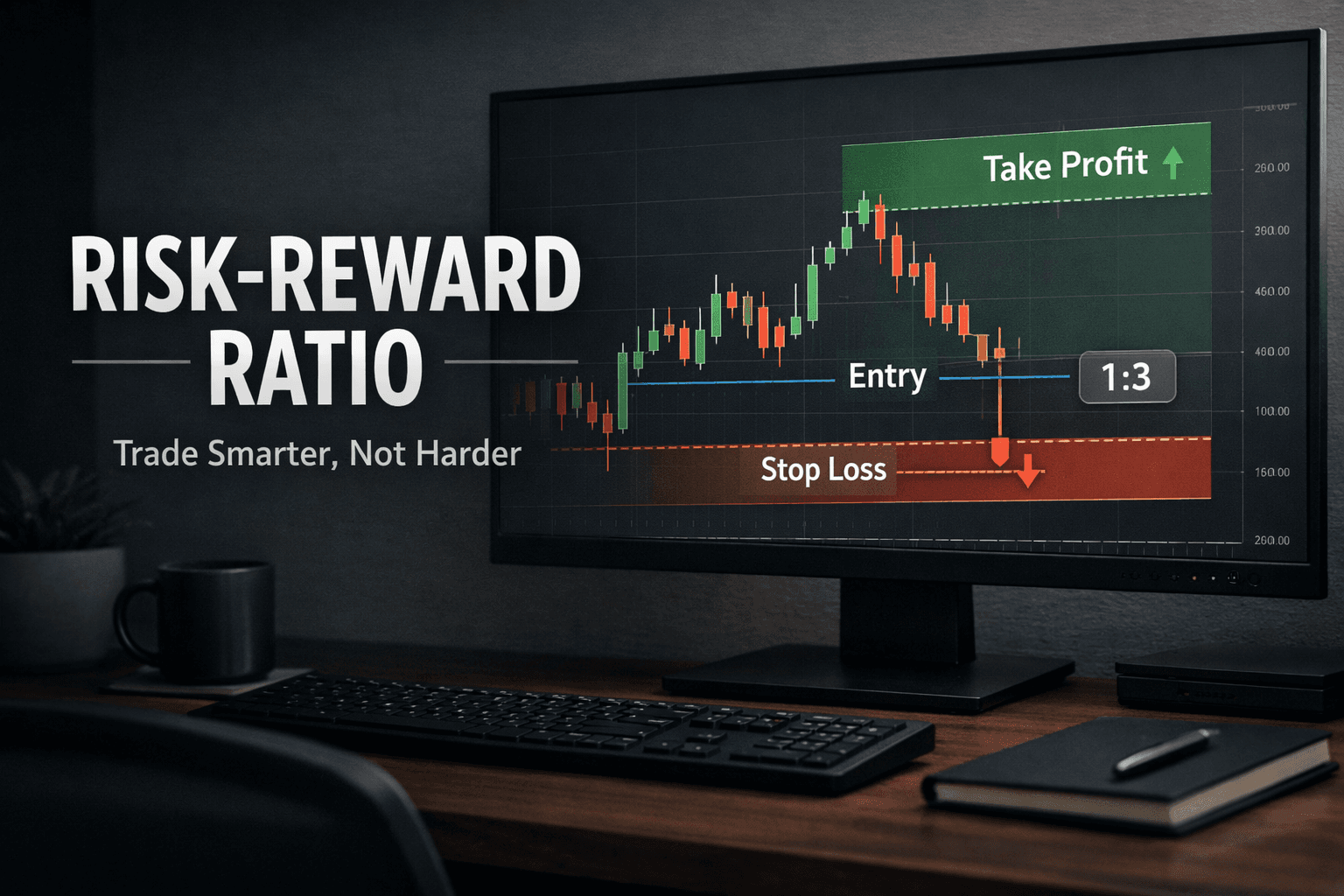
- Stop-loss: Where will you exit if wrong?
- Target: What's your profit objective?
- Timeframe: How long will you hold?
- Position size: How much capital will you risk?
These parameters should be determined by your analysis, not copied from another investor's playbook.
The Bigger Picture: Sentiment Cycles and Opportunity
Wood's Palantir purchase illustrates a broader market truth: sentiment cycles create opportunities for disciplined traders.
The Cycle:
- Euphoria: Everyone loves the stock, valuations stretch
- Doubt: Growth slows or competition emerges, early sellers exit
- Fear: Negative headlines dominate, momentum traders sell
- Capitulation: Maximum pessimism, forced selling
- Recovery: Fundamentals reassert, early buyers accumulate
- Optimism: Sentiment improves, momentum returns
- Euphoria: Cycle repeats
Wood appears to be buying during the fear/capitulation phase, betting that Palantir's fundamentals will eventually reassert themselves.
For traders, recognizing where a stock sits in this cycle is valuable context, though timing the transitions remains challenging.
Key Takeaways for Traders
-
Contrarian trading requires a framework, not just courage. Define your criteria before opportunities arise.
-
Separate your timeframe from others. Wood's 5-year horizon doesn't apply to your swing trade.
-
High-profile moves are prompts for analysis, not trading signals. Do your own work.
-
Position sizing matters more than entry price. Leave room to be wrong and to add if prices improve.
-
Intellectual flexibility is a strength. The best traders change their minds when evidence warrants.
-
Sentiment extremes create opportunities, but timing them is difficult. Use defined risk management.
-
Valuation matters eventually. Even great companies can be poor investments at the wrong price.
Conclusion: Conviction, Discipline, and Independent Thinking
Cathie Wood's $11 million Palantir purchase amid a 14% weekly decline demonstrates the conviction required for contrarian investing. Whether this specific trade proves profitable remains to be seen, but the principles it illustrates are timeless:
- Develop your own thesis based on rigorous analysis
- Act on conviction when your criteria are met
- Size positions appropriately for your risk tolerance
- Remain flexible as new information emerges
- Ignore the noise while staying alert to genuine signals
The next time you see a stock plunging on negative headlines, ask yourself: Is this fear creating opportunity, or is the market correctly pricing in deteriorating fundamentals?
The answer requires independent analysis, not following someone else's trades, no matter how famous they are.
Your edge as a trader comes from your own process, not from copying others. Use high-profile moves as learning opportunities, not trading signals.